Interiors Ready for Renovation
Light Residential Demolition in Norfolk for properties preparing for remodeling or layout changes
Norfolk's housing stock includes a substantial number of mid-century ranches and post-war bungalows built with compartmentalized floor plans that modern homeowners often want to open up. Anchor Point Junk Removal handles light residential demolition that removes non-load-bearing walls, built-in cabinetry, outdated fixtures, and interior partitions without the scope or permitting requirements of structural work. You'll see cleared floor space, exposed framing ready for inspection, and debris removed from the property the same day.
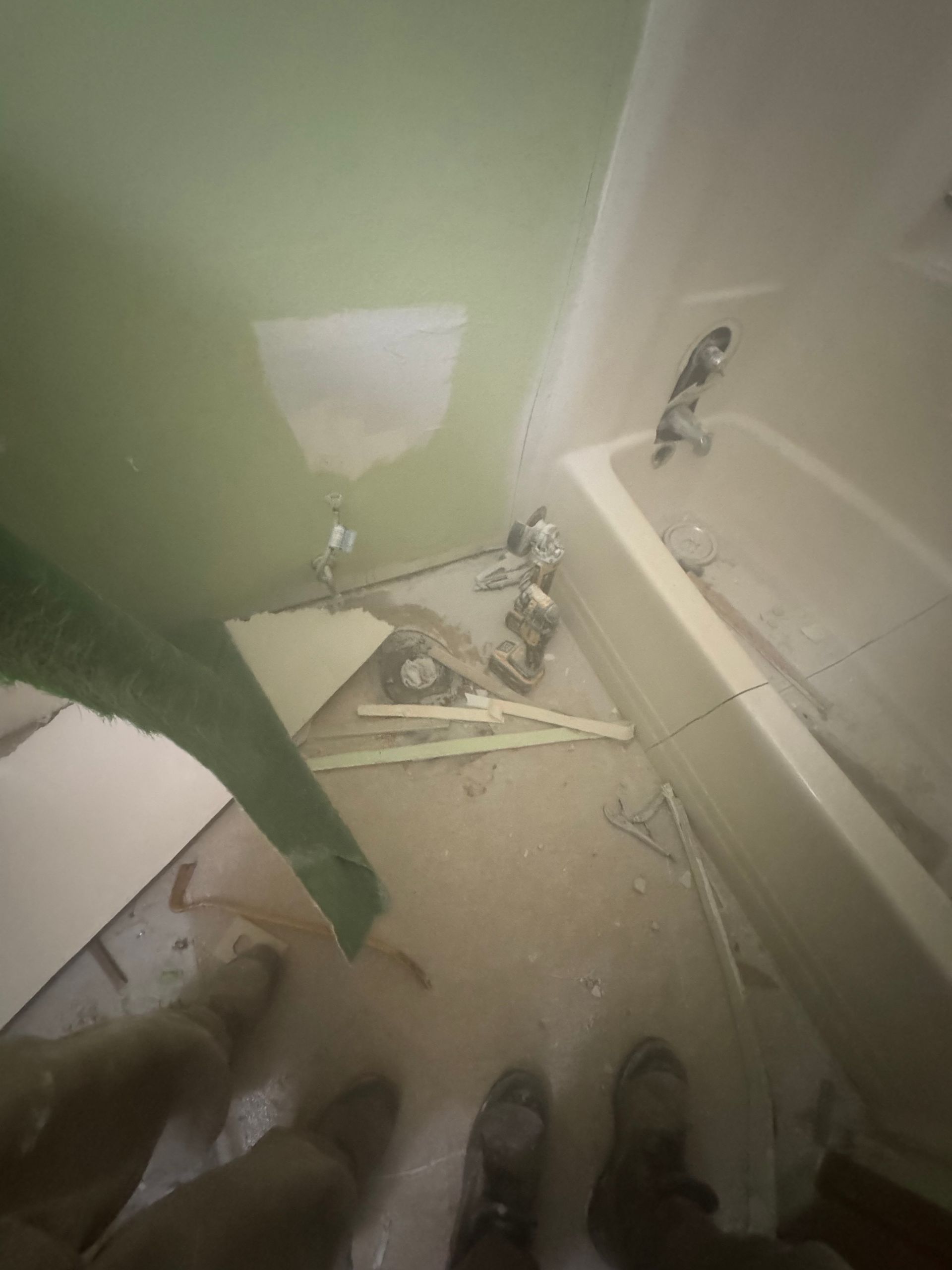
Light demolition involves removing finished surfaces, fixtures, and non-structural elements before the rebuild phase begins. The work includes pulling out old vanities, tearing out tile surrounds, dismantling closet systems, and cutting back drywall to studs so contractors can assess framing and utilities. This phase clears the way for electrical, plumbing, and finish work without leaving the homeowner responsible for hauling material or coordinating disposal.
Schedule a walk-through to determine what can be removed safely and what requires evaluation by a licensed contractor.
What Proper Demolition Work Requires
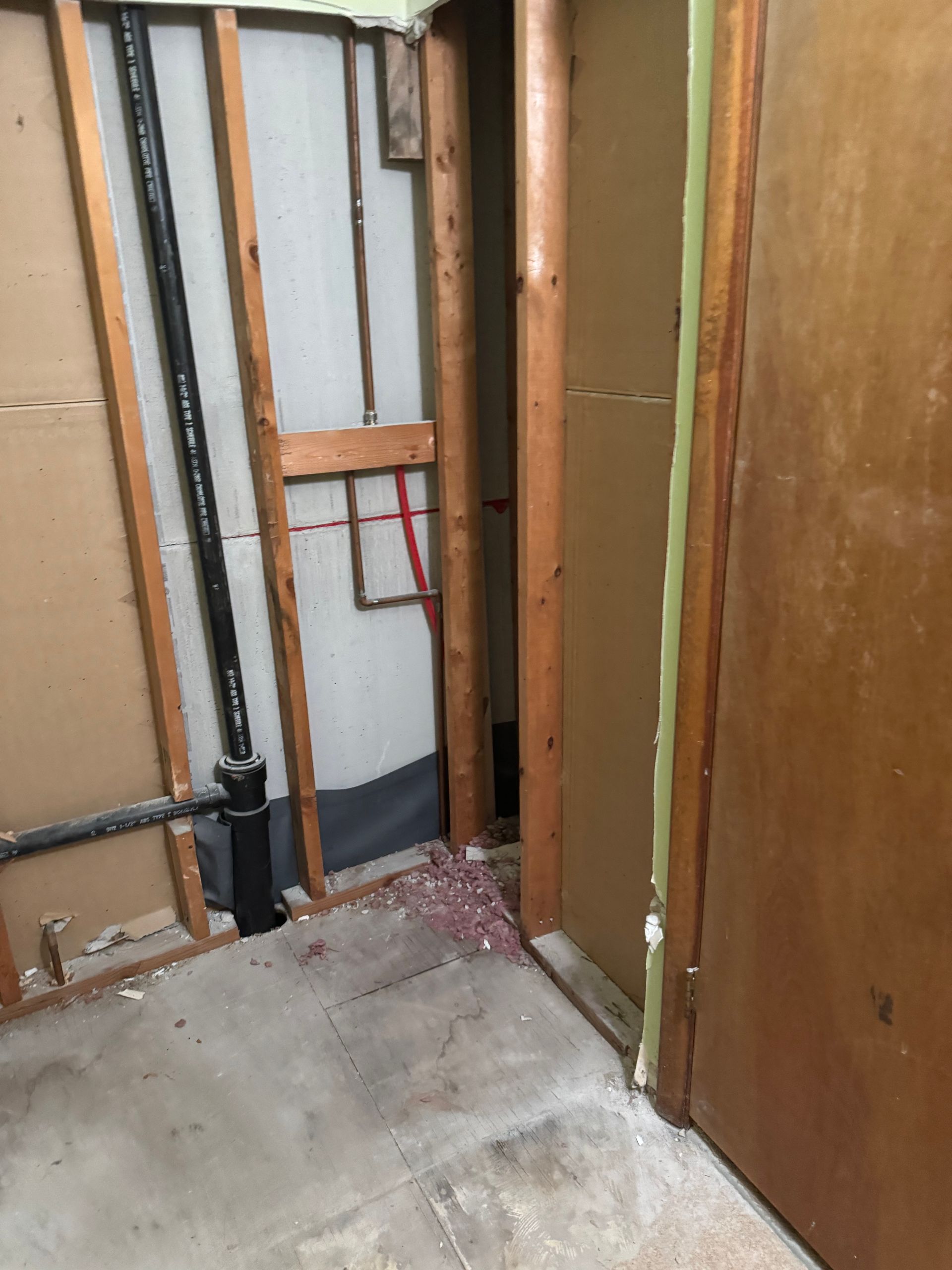
The process begins with identifying which walls are load-bearing and which are partition walls that can be removed without affecting the structure. Non-structural elements like cabinets, countertops, bathtubs, and interior doors come out first, followed by drywall or paneling that exposes the framing underneath. Electrical boxes and plumbing lines are capped or disconnected before removal to prevent damage to systems you intend to keep.
Once demolition is complete, you'll notice clean-cut edges where walls were removed, floors swept of nails and screws, and all debris hauled off-site. The space is left ready for the next phase of work, with studs visible, subfloor exposed, and no lingering material piles that slow down incoming trades.
Work includes protecting areas not being demolished with plastic sheeting, shutting off relevant utilities before removal begins, and coordinating disposal of materials that can't go into a standard dumpster. Fixtures containing lead paint or asbestos require separate handling and are typically flagged during the initial assessment.
Common Questions About This Service
Homeowners preparing for renovations often ask about the scope and safety of interior removal work.
What gets removed during light residential demolition?
The service covers non-structural interior elements including drywall, cabinetry, flooring, fixtures, trim, and partition walls that do not carry load. Structural columns, exterior walls, and roof framing are outside the scope and require engineering review.
How is debris handled after demolition?
All removed material is loaded, hauled, and disposed of the same day, with separate handling for metal, wood that can be recycled, and construction waste that goes to a landfill. You're not responsible for coordinating disposal or renting containers.
What happens to electrical and plumbing lines during wall removal?
Wiring and pipes inside walls being removed are cut back to the nearest junction box or shutoff valve, then capped or terminated to code. Lines that remain active are rerouted or protected before demolition proceeds.
When should demolition happen relative to other renovation work?
Demolition is scheduled after permits are approved and before framing, electrical, or plumbing contractors begin their work. In Norfolk, properties built before 1978 often require lead-safe practices during removal, which affects scheduling and containment methods.
What preparation is required before demolition starts?
Clear the work area of furniture, cover HVAC vents to prevent dust migration, and confirm which utilities need to be shut off. Contractors rely on accurate information about what stays and what goes to avoid removing elements you intended to keep.
Anchor Point Junk Removal provides light residential demolition that prepares your property for the next phase of renovation without leaving material handling or site cleanup in your hands. Arrange an on-site consultation to review the scope of removal and confirm what can be taken down safely.