Structures Torn Down and Hauled Away Completely
Shed and deck demolition in Norfolk for deteriorated wooden structures that need full removal before resale, renovation, or yard clearance
Older Norfolk properties—particularly those in established neighborhoods like Ghent and Larchmont—frequently carry wooden sheds and decks that were built decades ago using dimensional lumber and hardware that has since corroded, split, or settled unevenly. When those structures reach the point where repair is no longer practical, full demolition and removal is the only way to reclaim the yard space and remove what amounts to an eyesore visible from the street or a rear alley. Anchor Point Junk Removal demolishes and removes sheds and decks completely, leaving the property clear after a single visit.
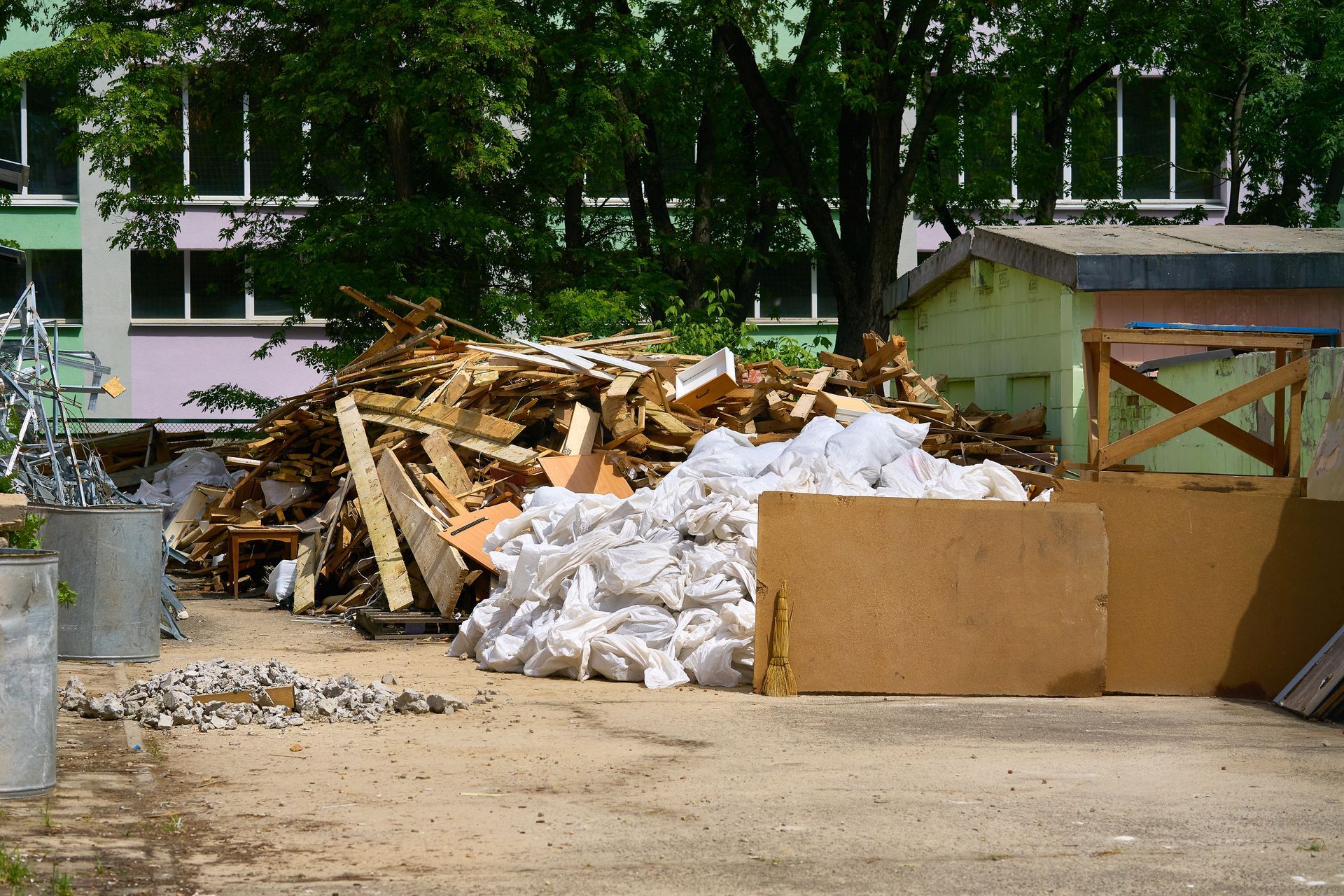
The process begins with a structural assessment to determine how the material needs to be separated—whether the framing can be pulled apart in sections or whether cutting is required to break down components that have fastened together over time. Deck boards, posts, ledger boards, and concrete footings that protrude above grade are all part of the removal scope. For sheds, the same applies: walls, roofing, floor framing, and any attached shelving or hardware all come down and load into the dump trailer. Metal components—hinges, brackets, corrugated roofing—are sorted for scrap recycling where that is practical rather than going straight to the landfill.
Arrange an on-site assessment with Anchor Point Junk Removal to review the structure and confirm what the removal covers before any work begins.
Why Complete Demolition Requires More Than a Debris Pickup
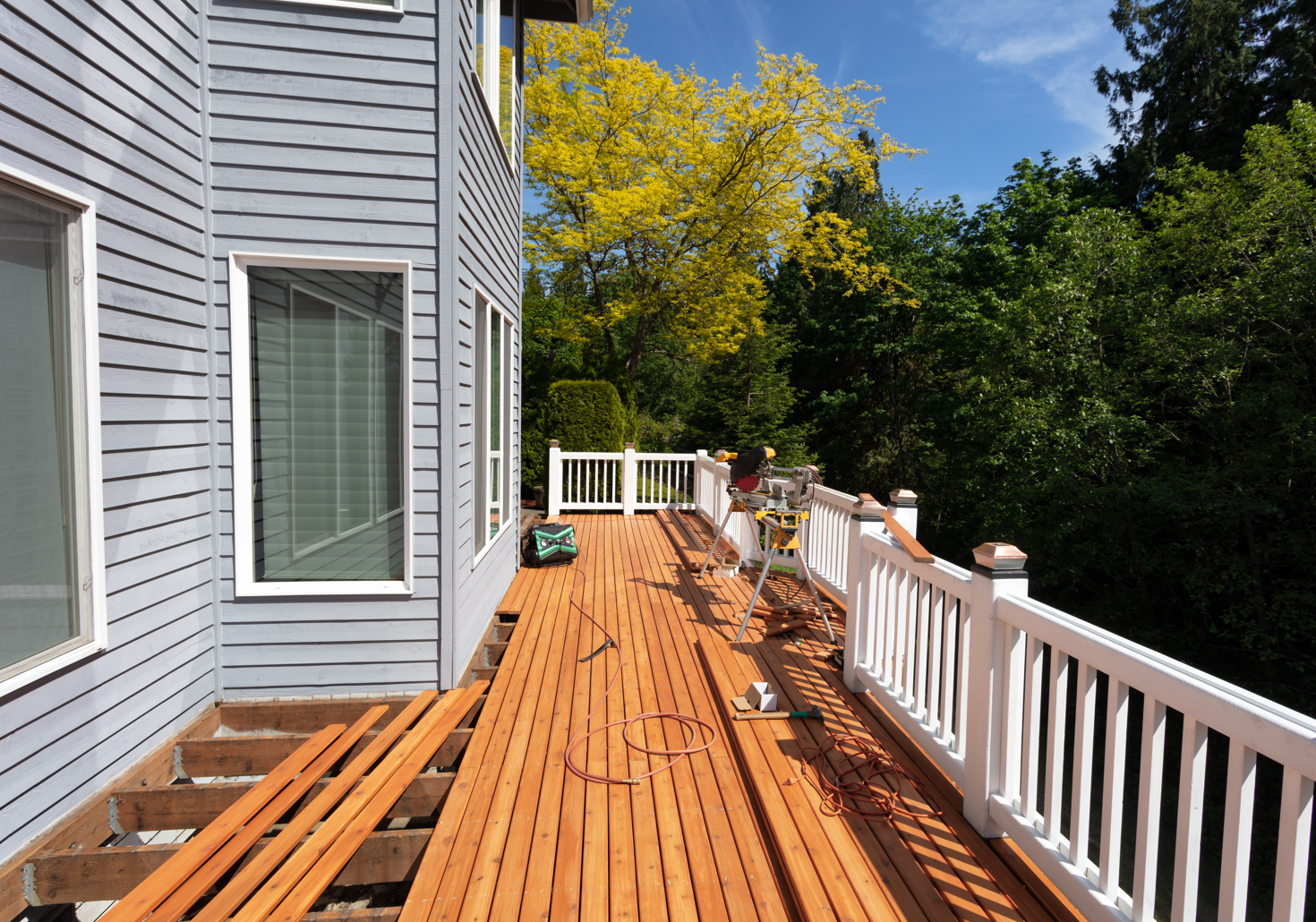
Shedding a structure down to bare ground involves more than pulling boards off a frame. Decks attached to the house require careful ledger board removal so the connection point does not leave exposed fasteners or open penetrations in the siding. Freestanding sheds with poured or block foundations need the above-grade material removed even when the slab itself stays, and sheds on skid foundations need the entire assembly separated and lifted out. Anchor Point Junk Removal uses cutting, prying, and mechanical separation depending on what the material requires—not a single method applied regardless of how the structure was built.
Once demolition is complete, the yard is clear: no stacked lumber, no leftover hardware, no partial framing. Property owners preparing for resale can have a photographer on-site the same day. Homeowners renovating the rear yard can begin grading, fencing, or landscaping work without first staging a separate debris haul. The visible change is immediate—the footprint the structure occupied is open ground, and nothing from the demolished structure remains on the property.
Complete demolition and removal is covered under a single price. There is no separate charge for cutting versus pulling, and no upcharge for metal components that need to be sorted before loading. Structures that have partially collapsed or are partially buried in overgrowth are still handled within the same scope, though the on-site assessment is where those conditions are reviewed so the job is priced accurately from the start.
What Property Owners Ask About Demolition Work
Homeowners in Norfolk considering shed or deck removal often have questions about how the demolition is handled, particularly when the structure has aged significantly or is attached to the main house in a way that affects how separation needs to occur.
What is the first step in demolishing an attached deck?
The ledger board connection to the house is addressed before the deck framing comes down. Removing the ledger correctly prevents damage to the siding and closes the fastener penetrations so the exterior wall is intact after the deck is gone.
How are concrete footings handled during deck or shed removal?
Footings that protrude above grade are removed as part of the job. Below-grade concrete that sits flush with the ground is typically left in place unless the property owner specifies otherwise during the assessment.
Why does the method of separation change depending on the structure?
Wood that has been in place for twenty or thirty years—common in Ghent and Larchmont properties built mid-century—often has fasteners that have corroded into the framing, making prying ineffective. Cutting is used in those cases to separate the material cleanly rather than forcing it apart and splintering the lumber unnecessarily.
What happens to metal roofing or hardware components from the shed?
Metal materials are sorted on-site and set aside for scrap recycling when the volume and condition make that worthwhile. Everything else loads directly into the dump trailer for disposal.
How should a property owner prepare the yard before the crew arrives?
Clear access to the structure itself is the main requirement. If the shed or deck is behind a gate or along a fence line, confirm the gate dimensions ahead of time so the crew knows whether equipment can pass through or whether all material needs to be hand-carried to the trailer.
Anchor Point Junk Removal also performs shed and deck demolition in Virginia Beach, Chesapeake, Hampton, Newport News, and Williamsburg. Call (757) 777-7190 to schedule an on-site assessment for your property, or to ask about structures that have already partially collapsed or are difficult to access from the street.