Dead Hot Tubs Taken Apart and Gone
Hot tub removal in Norfolk for full disconnection, breakdown, and same-day haul of all debris
A hot tub that no longer runs, costs more to repair than replace, or simply occupies deck or yard space that has better uses is a removal problem—not a project most homeowners can handle with a truck and a few helpers. Anchor Point Junk Removal removes hot tubs completely in Norfolk: draining the unit, disconnecting it from power and plumbing, breaking it down if the size requires it, and hauling all debris off-site in a single visit. Older homes and rental properties across Hampton Roads that were built or renovated during the peak installation years of the 1990s and early 2000s often have large acrylic or fiberglass units that are now past their service life and occupying prime outdoor space.
The removal sequence matters: the tub is drained completely before any disconnection work begins, then electrical and plumbing connections are separated, and the unit is assessed for intact loading or on-site breakdown. If the hot tub can be moved whole, it goes into the trailer that way. If its size or condition requires cutting and separating, that happens on-site and every piece gets loaded. Nothing is left behind—not the shell, not the insulation panels, not hardware removed during disconnection.
Set up a removal date with (757) 777-7190 to confirm access to the unit and have the space cleared in one scheduled visit.
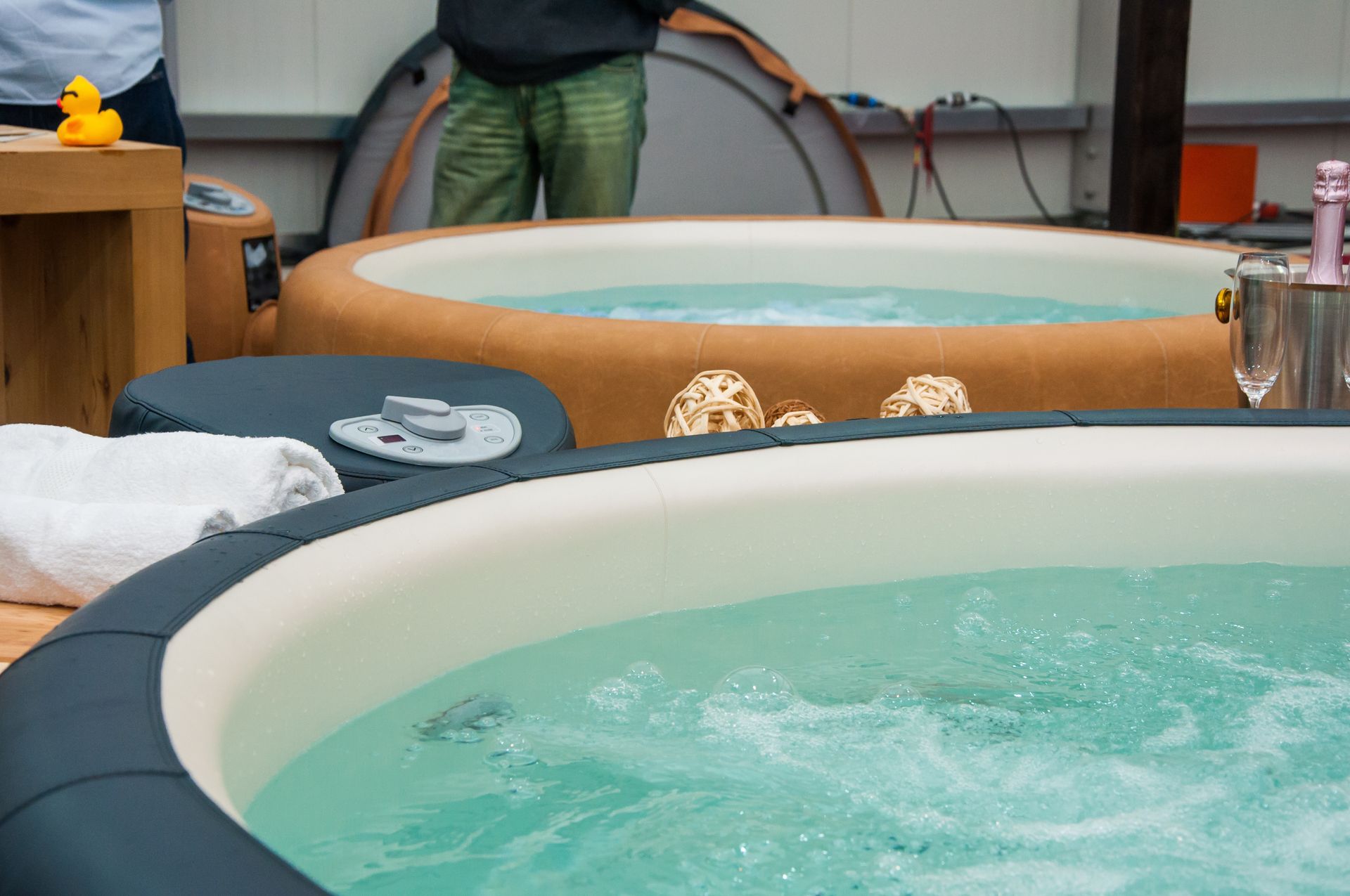
The Difference Between Partial Haul and Full Removal
Hot tub removal fails to go smoothly when the scope is underestimated. A full-size spa unit weighs between 500 and 800 pounds empty, sits on a deck or pad that may have been built around it, and has electrical connections that need proper disconnection before the unit can be moved. Anchor Point Junk Removal accounts for all of this during the removal visit—drain, disconnect, extract, and haul. The price includes disposal of the complete unit, which means the shell, insulation, internal components, and any hardware removed during the process all go into the dump trailer.
After removal, the deck or yard area where the hot tub sat is clear—concrete pad exposed, no shell fragments, no remaining plumbing stubs or electrical conduit above grade left connected to the unit. In neighborhoods like Ghent and Ocean View, where backyard space is at a premium and homeowners are reclaiming outdoor areas for landscaping, seating, or other structures, that cleared footprint is what makes the project worth scheduling.
Access to the hot tub is the primary variable that affects how the removal proceeds. Units accessible from a gate or open side yard load directly into the trailer without additional maneuvering. Units surrounded by fencing, elevated decking, or tight landscaping may require on-site breakdown before the pieces can be moved through available access points. That assessment happens on arrival, and the approach adjusts accordingly—the outcome is the same either way.
Questions Before Starting Your Project
Hot tub removal involves a few specifics that owners want understood before scheduling—particularly around access, disconnection, and what the crew handles versus what requires a licensed electrician or plumber beforehand.
What has to happen before the hot tub removal crew arrives?
The tub should be drained or nearly drained if possible, which speeds up the job. Electrical service to the unit should be shut off at the breaker. If the tub is still connected to a hard-wired 240-volt circuit, a licensed electrician should disconnect it before removal day.
How is a hot tub removed when it cannot be moved in one piece?
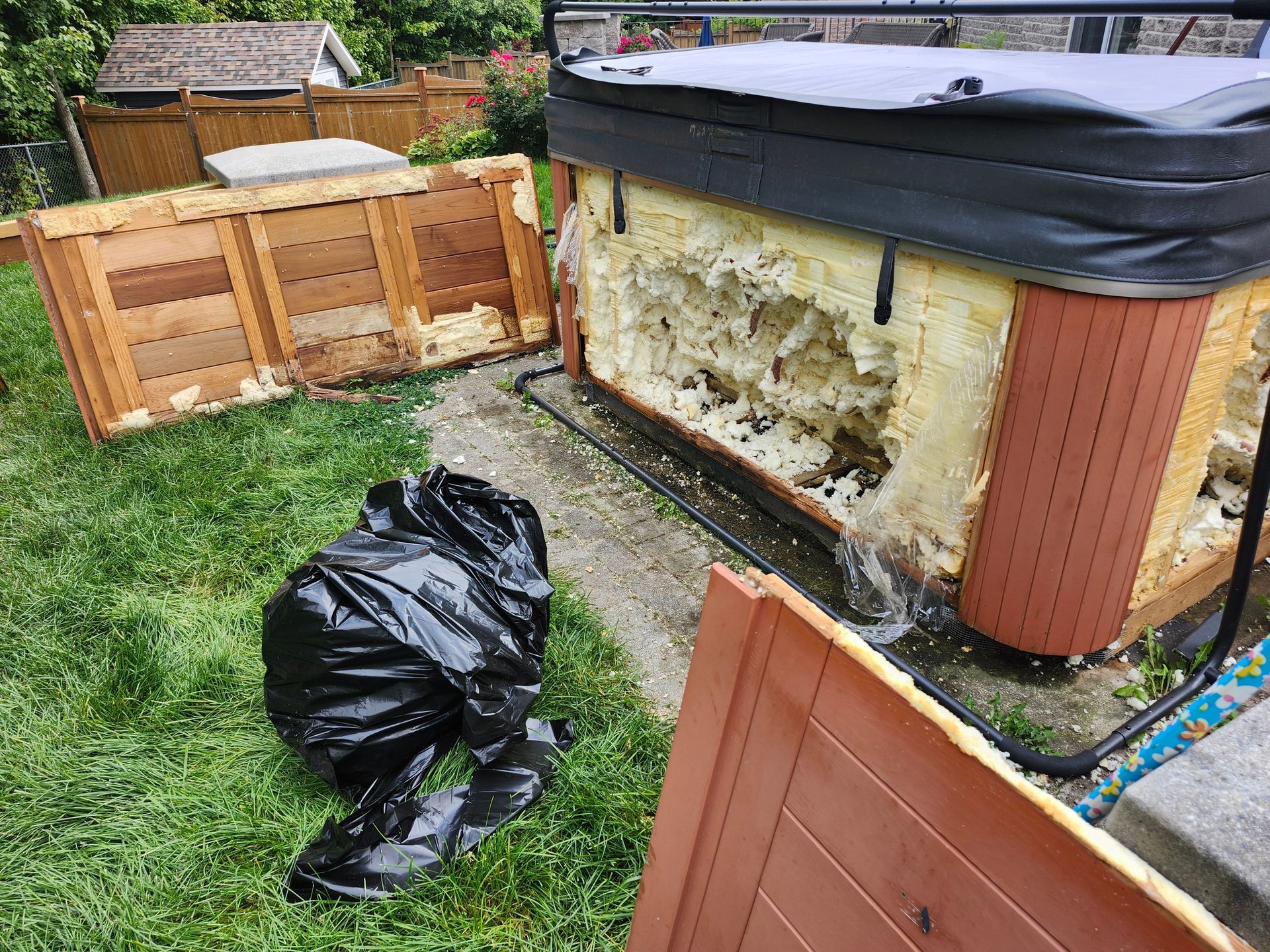
When a unit is too large or too damaged to load intact, it is cut and separated on-site using standard demo tools. All pieces are loaded into the dump trailer regardless of how many sections result from the breakdown.
Why does the access path from the tub to the street affect removal?
Hot tubs cannot be lifted over fencing or obstacles—they have to be moved through available openings. Tight gates or fully enclosed yards require on-site breakdown into sections small enough to pass through, which adds time but does not change what gets removed.
What remains on the deck or pad after the hot tub is removed?
The deck surface or concrete pad is exposed and clear. Bolt anchors, plumbing rough-in stubs below grade, and electrical conduit below the connection point are not part of the removal scope—those are structural or utility elements that stay with the property.
How does the condition of older Hampton Roads homes affect hot tub removal logistics?
Homes built in the 1980s and 1990s often have original decking constructed around the hot tub footprint, which can limit extraction angles. In those cases, on-site breakdown is the standard approach rather than attempting to move the unit intact through a constrained opening.
Anchor Point Junk Removal handles hot tub removal for homeowners, landlords, and property managers who need the unit gone and the space cleared without coordinating multiple contractors. Call (757) 777-7190 to describe the setup and schedule the removal. Anchor Point Junk Removal also removes hot tubs in Virginia Beach, Chesapeake, Hampton, Newport News, and Williamsburg.