Demo Waste Gone Before the Next Crew Arrives
Construction debris removal in Norfolk for renovation and demolition sites generating sheetrock, lumber, and mixed waste
Post-war residential construction defines much of Norfolk's owner-occupied and rental housing stock—homes built between the late 1940s and early 1970s that are now cycling through bathroom and kitchen renovations at a steady pace. Those jobs produce a predictable debris mix: sheetrock, drywall compound, tile, lumber, old fixtures, and hardware, often pulled from rooms where the original layout made staging space tight. Anchor Point Junk Removal removes that debris from renovation and demolition sites across Norfolk, separating metal for recycling and loading everything else into an 8 cubic yard dump trailer for same-day haul-off.
On arrival, the crew assesses the debris load before anything goes into the trailer. Metal and recyclable material are pulled first and taken to scrap yards separately—that separation is built into the service, and recycling proceeds stay with Anchor Point. Wood, drywall, sheetrock, and mixed construction waste then load into the trailer. Everything leaves the site the same day it's called in, which matters on active renovation jobs where subcontractors are scheduled to follow.
Call (757) 777-7190 to describe your debris volume and confirm same-day availability for your renovation site.
Why Metal Separation Matters on Construction Loads
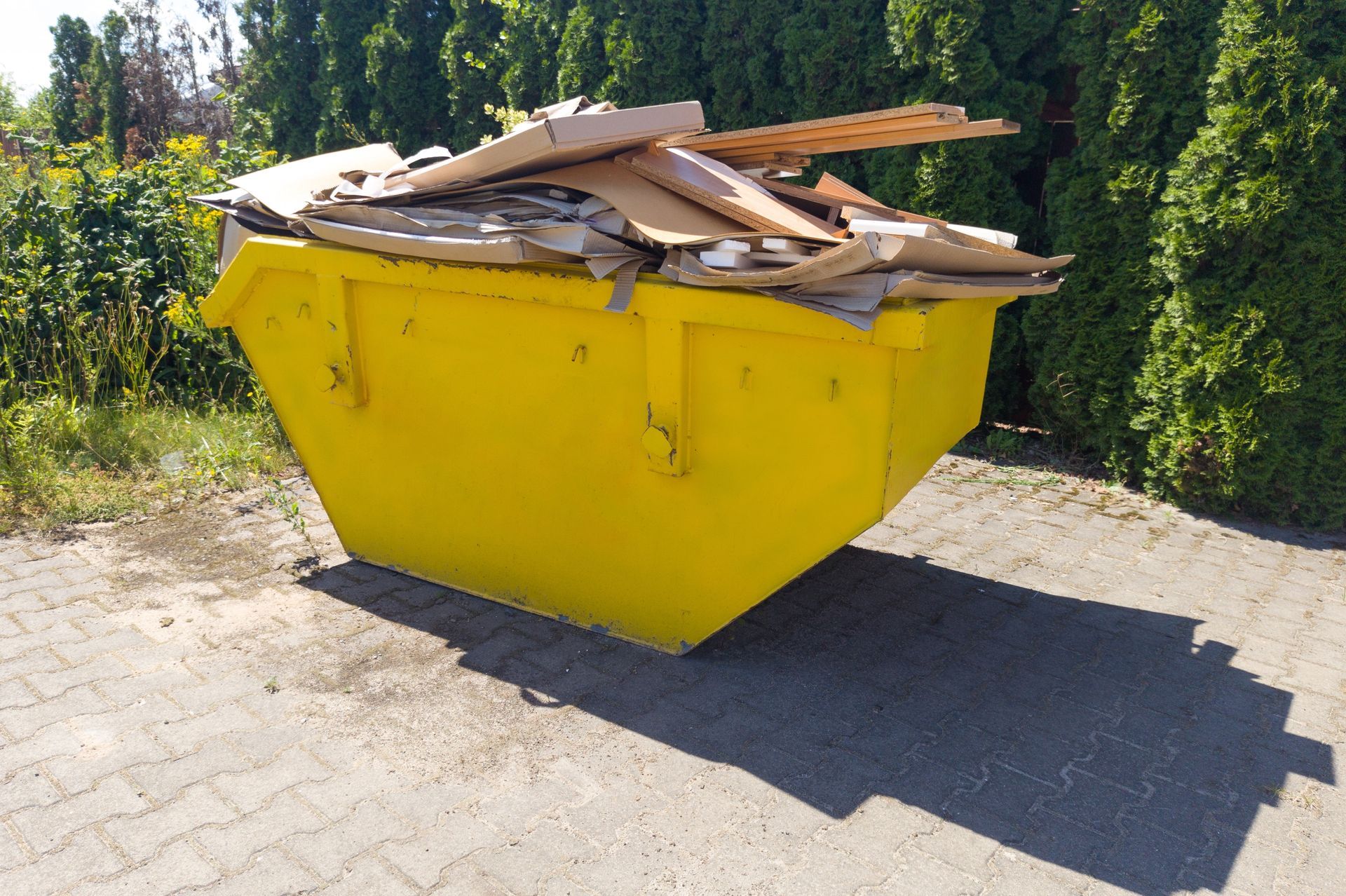
Construction debris isn't a uniform load, and how it gets handled at disposal depends on what's in the trailer. Mixing ferrous metal with drywall and lumber creates disposal complications at standard facilities—separating metal before loading keeps the remaining material clean and disposable in one stop. Anchor Point's background in bathroom and kitchen renovation work means the crew recognizes what scrap metal looks like in a demo pile: copper pipe, steel framing, cast iron fixtures, and galvanized hardware all get pulled and routed to scrap rather than landfill.
After the trailer leaves, the work area is clear of the debris load that was staged. Renovation contractors in neighborhoods like Larchmont and Norview—where post-war homes often sit on smaller lots with limited staging room—can move the next trade in without maneuvering around demo waste. The cleared space is the functional result of the haul-off, not a secondary benefit.
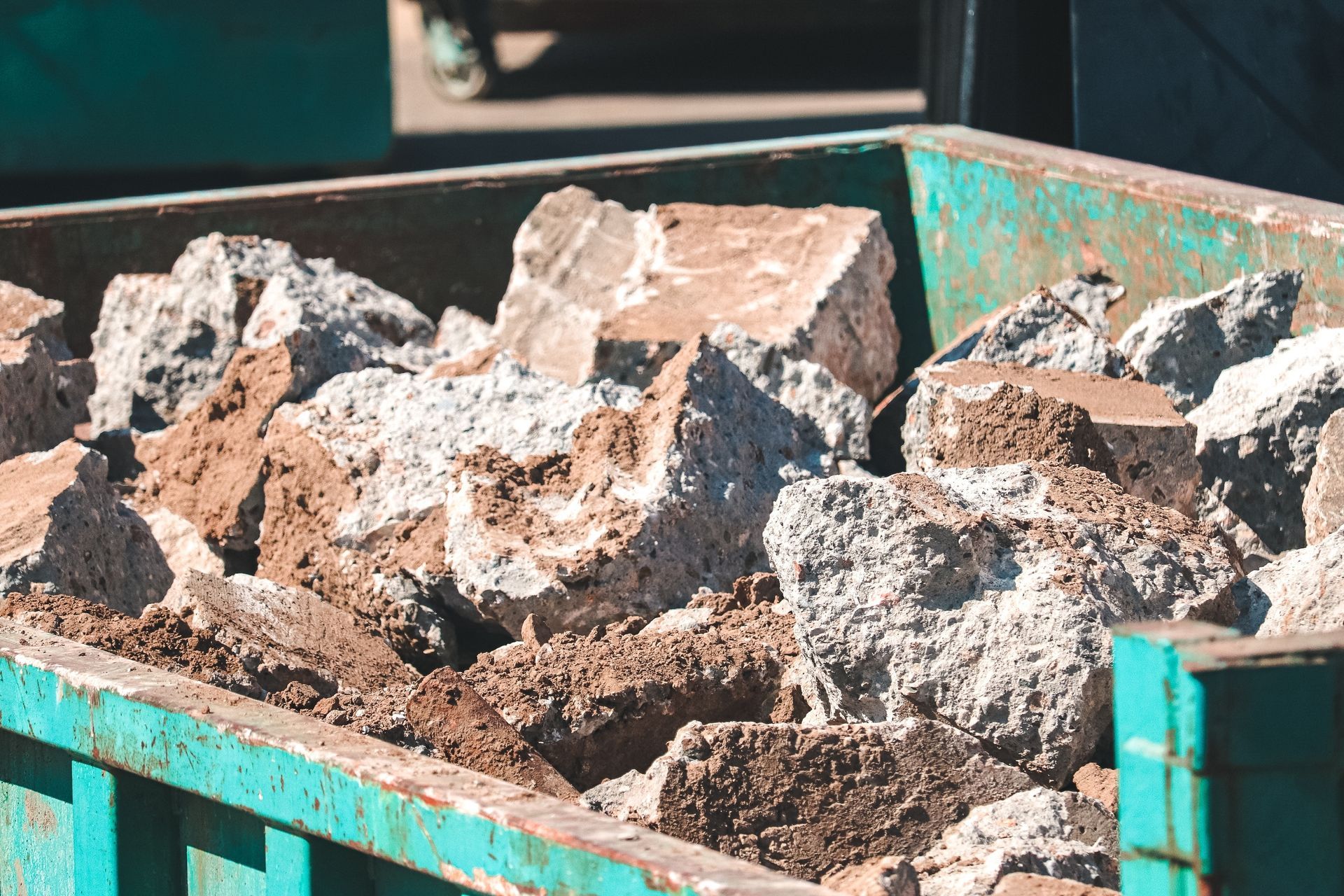
Concrete chunks, ceramic tile, and heavy mixed material can be included in the load, but weight affects what the trailer can take in a single trip. Very heavy concentrations of concrete should be confirmed at booking so the crew can plan accordingly. Anchor Point Junk Removal operates as a licensed LLC with its own EIN, which matters for contractors and property managers who need to document disposal vendors on commercial or permitted renovation work.
Answers About How Construction Debris Removal Works
These questions address the mechanics of debris removal on active renovation sites, including how mixed loads are sorted and what preparation helps the job move efficiently.
How does the crew decide what gets recycled versus what goes into the trailer?
On arrival, the crew separates ferrous and non-ferrous metals from the debris pile before loading—copper, steel framing, and cast iron fixtures are pulled for scrap, while wood, drywall, and mixed material load into the dump trailer.
What materials are included in a standard construction debris removal job?
Wood, sheetrock, drywall, tile, mixed renovation waste, and metal fixtures all qualify; concrete and heavy masonry can be included but should be confirmed at booking due to weight limits on an 8 cubic yard trailer.
When during a renovation should debris removal be scheduled?
Removal is most efficient after demo is complete and before the next trade arrives on-site, which prevents staging conflicts and keeps the work area clear for finish work.
How does the construction era of a Norfolk home affect what shows up in a demo load?
Homes built in the 1950s and 1960s common across Norfolk often contain plaster over lath rather than drywall, cast iron plumbing, and older steel fixtures—materials that behave differently during demo and require the same separation process but may add weight to the load.
What does a properly completed debris removal look like when the crew leaves?
The designated work area is free of all staged demo material—no piles in hallways, no debris pushed into adjacent rooms, no leftover material waiting for a second trip.
Anchor Point Junk Removal also
removes construction debris in Chesapeake, Virginia Beach, Hampton, Newport News, and Williamsburg. To discuss your renovation load and confirm scheduling, call (757) 777-7190.